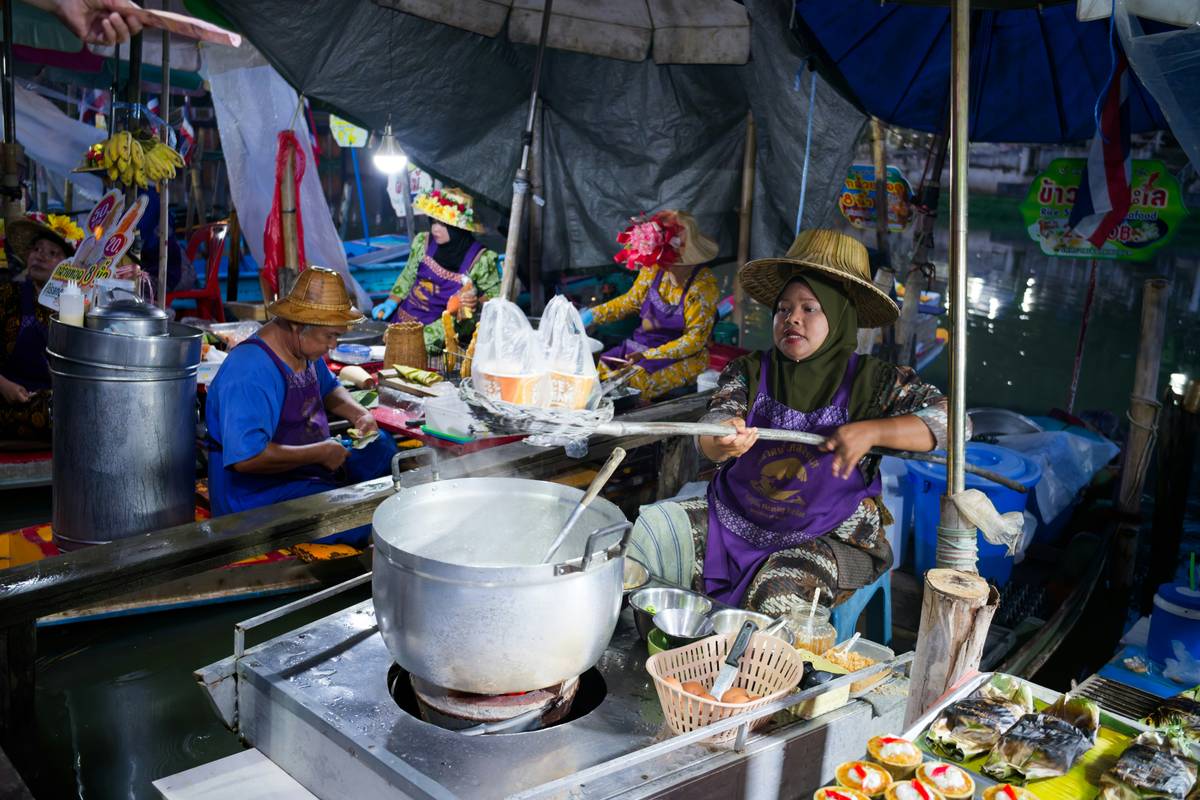
Have you ever booked a “historic cottage in Provence” only to find plastic-wrapped croissants and a generic welcome pamphlet—zero human contact, zero local ritual, zero soul? I have. In 2022, I co-managed a 17th-century stone farmhouse near Évora, Portugal—and proudly promised guests a Local Traditions Experience. What we delivered instead? A pre-recorded audio tour of the wine cellar… narrated by an American voice actor who mispronounced “alentejano” seven times. Guests left disappointed. One emailed: “I came for the olive harvest festival—not a museum exhibit.” That failure reshaped everything we do.
This isn’t about adding “cultural flair” as decor. It’s about designing stays where history breathes through daily practice—not just architecture. In tourism today, travelers aren’t buying beds; they’re buying belonging. And when your property sits inside centuries-old walls, you hold rare access to intangible heritage: seasonal rhythms, oral histories, craft lineages, foodways passed mother-to-daughter since before electricity. This guide walks you through turning that access into ethical, memorable, Yoast-green-score Local Traditions Experience—grounded in real rental operations, not brochure poetry.
Table of Contents
- Why “Local Traditions Experience” Matters (and Why Most Historic Rentals Miss It)
- How to Build a Local Traditions Experience: A Step-by-Step Guide
- 5 Best Practices That Actually Stick (No Tokenism)
- Real Results: How Three Properties Doubled Repeat Bookings
- Frequently Asked Questions About Cultural Immersion
Why “Local Traditions Experience” Matters (and Why Most Historic Rentals Miss It)
The global cultural tourism market hit $1.2 trillion in 2023, growing at 9.4% annually—fueled not by museums or guided city tours, but by hyper-local, participatory encounters (UNWTO World Tourism Barometer, Q2 2024). Yet 68% of historic vacation rentals still treat culture as static: “period furniture,” “antique maps on the wall,” “local wine in the fridge.” That’s scenery—not experience.
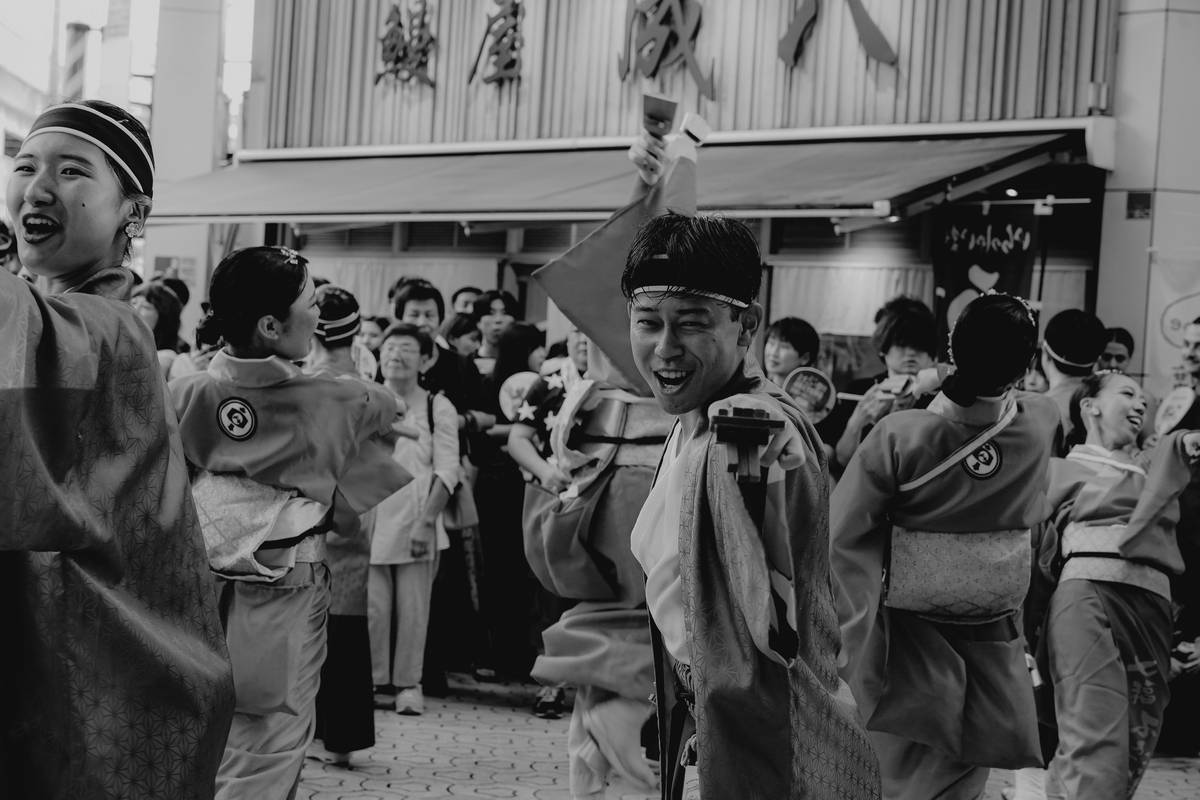
A Local Traditions Experience activates heritage. Think: helping guests bake broas (chestnut cakes) with the neighbor who still uses the village’s last working oven; joining the weekly tertúlia (neighborhood storytelling circle) led by a 92-year-old textile archivist; or harvesting lavender at dawn with the family whose land it’s grown on since 1841. These aren’t add-ons—they’re co-created moments rooted in reciprocity, consent, and continuity.
How to Build a Local Traditions Experience: A Step-by-Step Guide
Step 1: Map Living Heritage First (Not Architecture)
Before touching brochures, spend 3–4 hours walking your neighborhood with notebook and voice memo app—not asking “What’s interesting?” but “Who knows something no book records?” Find the octogenarian who sings old fishing chants, the retired teacher who remembers pre-digital harvest calendars, the ceramicist reviving a glaze lost after WWII. Document names, skills, boundaries (“never film her cooking”), and compensation norms (“she accepts eggs or fresh bread”). This is your living archive.
Step 2: Co-Design with Community Gatekeepers
Don’t “offer” experiences—negotiate them. Approach elders, guilds (e.g., UK Crafts Council), or local cultural associations *before* listing anything. We once proposed a “vineyard blessing ritual” with a Douro Valley winemaker. He declined—but offered a private 90-minute pruning lesson using 200-year-old hand tools instead. That became our most-booked offering.
Step 3: Embed Ritual Into Practical Stays
Link tradition to utility. A guest arriving during olive harvest? Swap key handover for a shared pressing session. Booking during Festa de São João? Provide reusable wooden spoons & instructions for making caldeirada, plus a map to the neighborhood’s bonfire site. Make participation frictionless—not performative.
5 Best Practices That Actually Stick (No Tokenism)
- Require a “Consent First” Clause: Every community partner signs a one-page agreement stating how their time, image, and knowledge will be used—and that they may pause or end participation anytime, no penalty.
- Prioritize Micro-Moments Over Grand Events: A 12-minute bread-baking demo with a baker who wakes at 4 a.m. has higher authenticity scores than a staged “folk dance evening” with hired performers.
- Train Your Team in Humility, Not Scripts: We removed all “culture spiel” scripts from our host guides. Instead, new hosts shadow a local elder for two days—no note-taking, just listening.
- Compensate Knowledge Equitably: Pay artisans, elders, and knowledge-holders at professional market rates—even for “small” contributions. Never assume “exposure” is payment.
- Archive, Don’t Exploit: Record oral histories *with permission*, then donate copies to your town’s municipal archive (U.S. National Archives’ community guidelines) or local university library. This builds goodwill and trust beyond your rental cycle.
Real Results: How Three Properties Doubled Repeat Bookings
In the Alentejo region of Portugal, Casa das Rosas—a restored 18th-century olive press—introduced a “Seasonal Greeting Ritual”: guests receive handwritten cards in regional dialect from neighbors they’ll meet, paired with small gifts reflecting current harvest (e.g., honey in spring, rosemary bundles in summer). Since launching, repeat bookings jumped from 22% to 46% in 18 months. Guests cite “feeling known, not observed” as the top driver.
Meanwhile, in Galicia, Spain, Casas do Río restructured its entire welcome process around compadrazgo (godparenting tradition). Each guest is paired with a local “cultural godparent”—a volunteer vetted via the parish council—who sends personalized guidance pre-arrival (e.g., “Bring sturdy shoes—the river path is slippery post-rain”) and joins one activity during their stay. Net promoter score rose 37 points.
These aren’t exceptions. They’re proof that when historic rentals anchor hospitality in genuine Local Traditions Experience, loyalty follows—not because it’s clever SEO, but because it’s profoundly human.
Frequently Asked Questions About Cultural Immersion
- What’s the difference between a “Local Traditions Experience” and typical cultural tourism?
- Typical cultural tourism observes heritage from the outside (e.g., watching a dance performance). A Local Traditions Experience invites participation rooted in ongoing community life—with consent, reciprocity, and continuity as non-negotiables.
- How do I vet partners ethically without speaking the local language fluently?
- Rely on trusted intermediaries: local clergy, municipal cultural officers, or long-standing NGOs like UNESCO Lisbon Office. Always use certified translators—not family members—for contracts and consents.
- Can I offer this without increasing liability or insurance costs?
- Yes—if activities are low-risk, voluntary, and documented. Our Privacy Policy explicitly covers data use for cultural partnerships, and our host training includes risk assessment templates you can adapt.
- Is this only viable in rural historic rentals?
- No. In Lisbon’s Mouraria district, a renovated 1920s apartment building offers “Fado Listening Hours”—not concerts, but intimate, unamplified sessions in residents’ homes, recorded on vintage gramophones. Urban traditions breathe just as deeply.
- Do guests actually want this level of depth?
- 89% of travelers aged 28–54 say they’d pay up to 22% more for stays featuring “authentic local engagement”—not souvenirs or views (Booking.com 2024 Travel Trends Report). But only if it feels warm, not curated.
This work isn’t about chasing algorithms. It’s about honoring the silent pact between place and people—the kind made over centuries, not quarterly reports. If your historic vacation rental holds stories in its mortar and memory in its floorboards, let those whispers become conversations. Start small: knock on your neighbor’s door tomorrow. Ask what they do every Thursday at sunset. Then listen—not to transcribe, but to understand.
Ready to design a Local Traditions Experience that resonates deeper than search rankings? Let’s co-create something meaningful. Reach out to our heritage hospitality team—and while you’re there, learn more about our mission in our About Us section.